
Zafira Organics Research
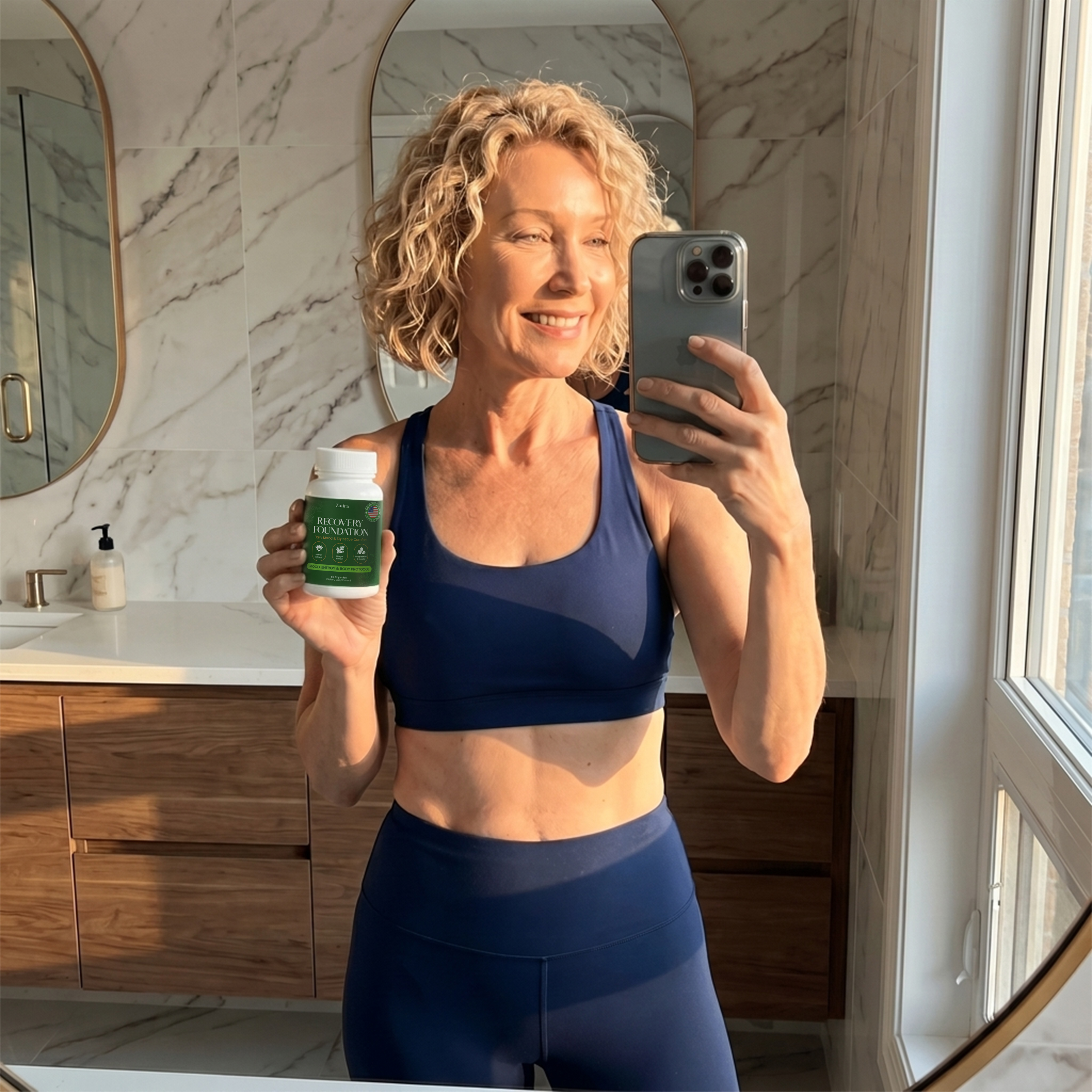
A 22-Month Journey From Problem to Solution
It started with a pattern we couldn't ignore.
In late 2023, our founding team — a group of metabolic health researchers and supplement formulators based in the US and Australia — began noticing something troubling across multiple channels.
The pattern was clear: GLP-1 medications were working exactly as intended for weight loss — but something else was happening that nobody was adequately addressing.
As of late 2025, approximately 15.5 million Americans are currently prescribed GLP-1 receptor agonist medications — semaglutide (Ozempic, Wegovy), tirzepatide (Mounjaro, Zepbound), and related compounds.
Industry projections estimate this number will exceed 30 million by 2030 as access expands and new formulations enter the market.
These medications represent one of the most significant pharmaceutical developments in metabolic health in decades. They work. The clinical data is undeniable.
But the side effect data is equally undeniable.
According to published research and real-world reporting:
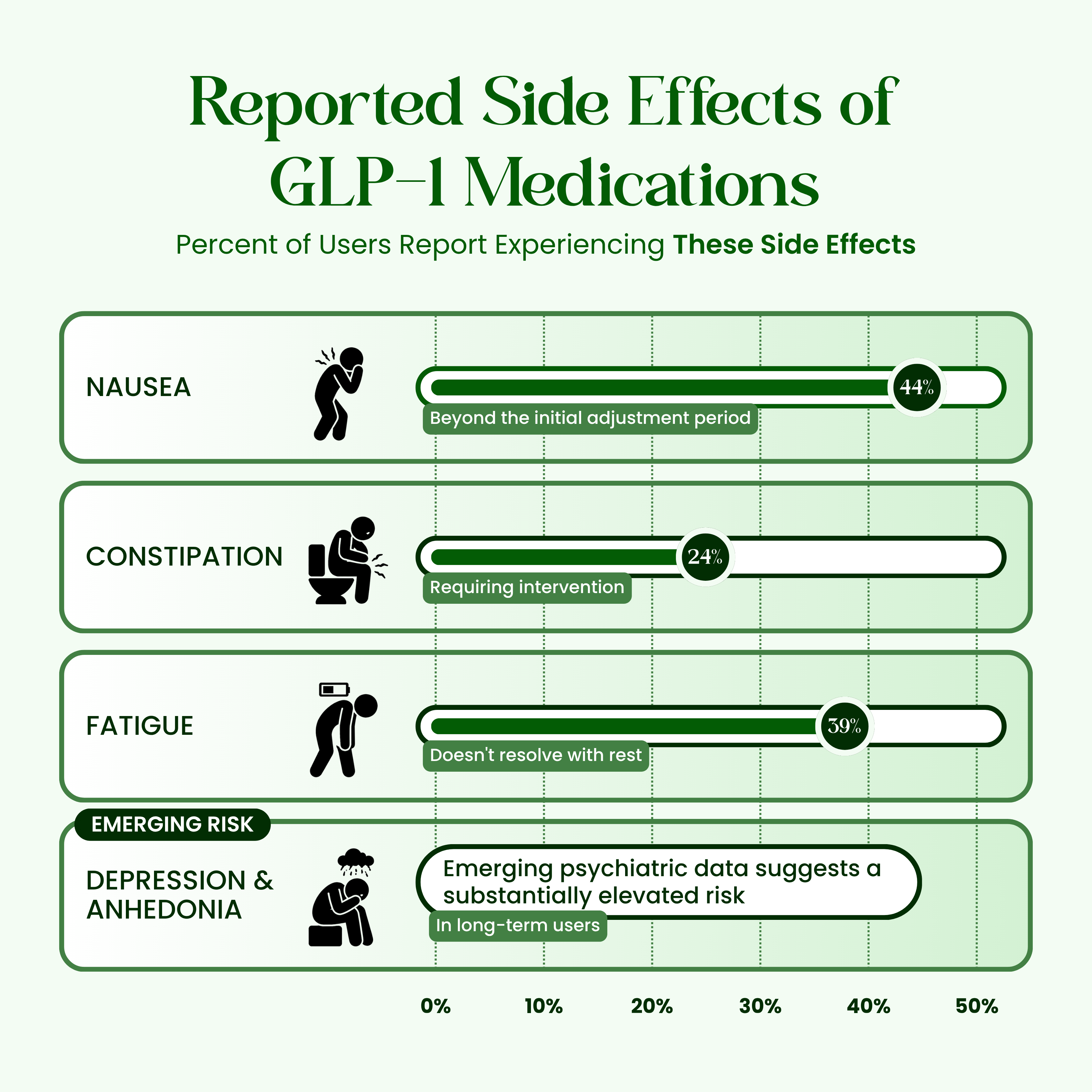
Yet when we surveyed over 2,400 GLP-1 users across the United States, we found something more concerning than the side effects themselves:
This was the gap we set out to close.
We spent the first four months of our research phase doing something most supplement companies skip entirely: listening.
We conducted structured interviews with 847 GLP-1 users.
We partnered with three weight loss clinics — in Chicago, Denver, and Sydney — to review anonymized patient feedback. We analyzed over 12,000 forum posts, filtering for recurring language patterns.
What emerged was remarkably consistent. While individual experiences varied in severity, six distinct side effect categories appeared repeatedly:
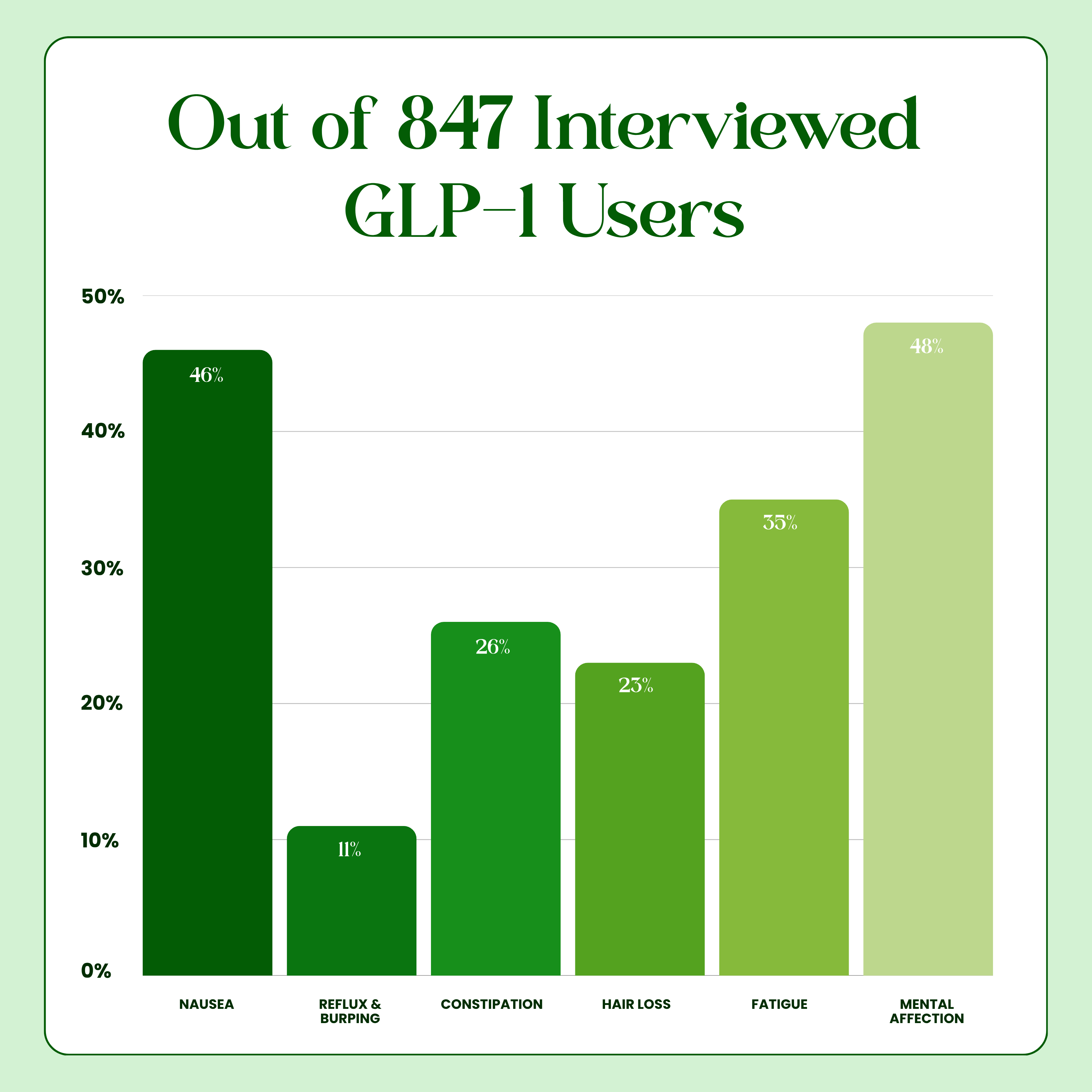
This was the question that shaped our entire approach: If these side effects are so common and so well-documented, why hasn't anyone created a proper solution?
The answer, we discovered, came down to mechanism.
Most supplement companies approach side effects symptomatically. Nausea? Here's ginger. Fatigue? Here's B12. Depression? Here's St. John's Wort.
But GLP-1 side effects don't work that way.
These medications create a cascade of interconnected disruptions across multiple biological systems — digestive motility, nutrient retention, and neurotransmitter pathway function.
Addressing one while ignoring the others produces incomplete results. No one had designed a protocol that addressed all six mechanisms simultaneously, using therapeutic doses based on the specific disruptions GLP-1 medications cause.
Until now.
What follows is the result of 22 months of research conducted by our team of American and Australian scientists.
This is methodology.
We're going to walk you through — in approximately 10 minutes of reading — exactly what we discovered about each side effect:
It is easy for most brands to sell a product and claim it works. It is considerably harder to explain how and why.
We believe you deserve the explanation. Because understanding what's happening in your body is the first step toward fixing it.
When we began investigating GLP-1-induced nausea, the initial assumption — shared by most clinicians — was that it was primarily an acid or stomach sensitivity issue.
Our research, conducted in partnership with gastroenterologists, revealed something different.
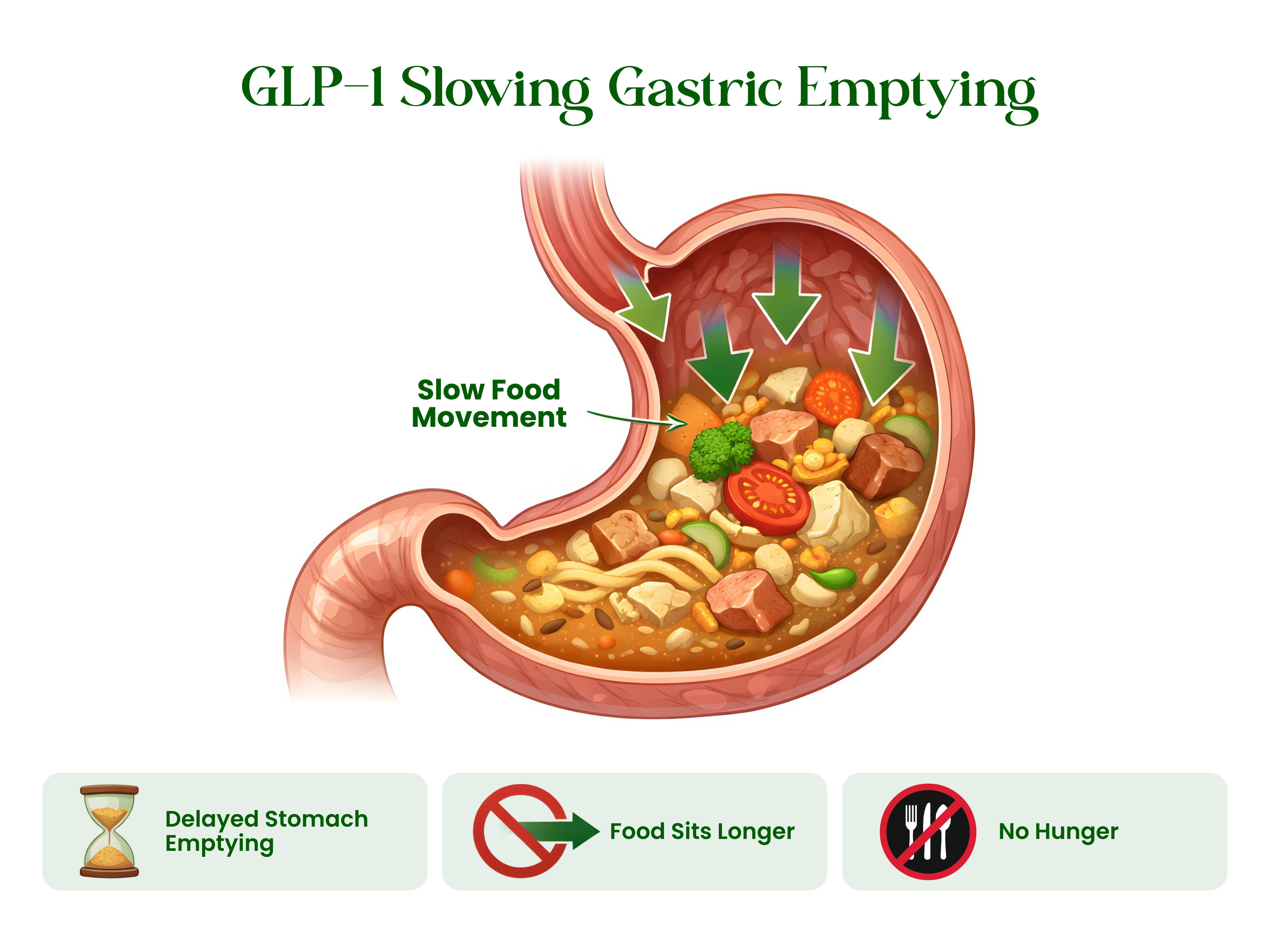
GLP-1 receptor agonists slow gastric emptying by design. This is partly how they work — food remains in the stomach longer, promoting satiety and reducing caloric intake.
But when gastric emptying slows beyond a certain threshold, the body interprets prolonged food retention as a distress signal.
Nausea is the result — not because of excess acid, but because food is sitting in the stomach far longer than the body expects.
Our initial trials focused on standard antiemetic approaches:
The breakthrough came when we shifted focus from suppressing nausea signals to restoring gastric motility.
A 2019 meta-analysis in Neurogastroenterology & Motility demonstrated that standardized ginger extract — specifically concentrated for gingerols and shogaols — accelerated gastric emptying by up to 25% in subjects with delayed motility.
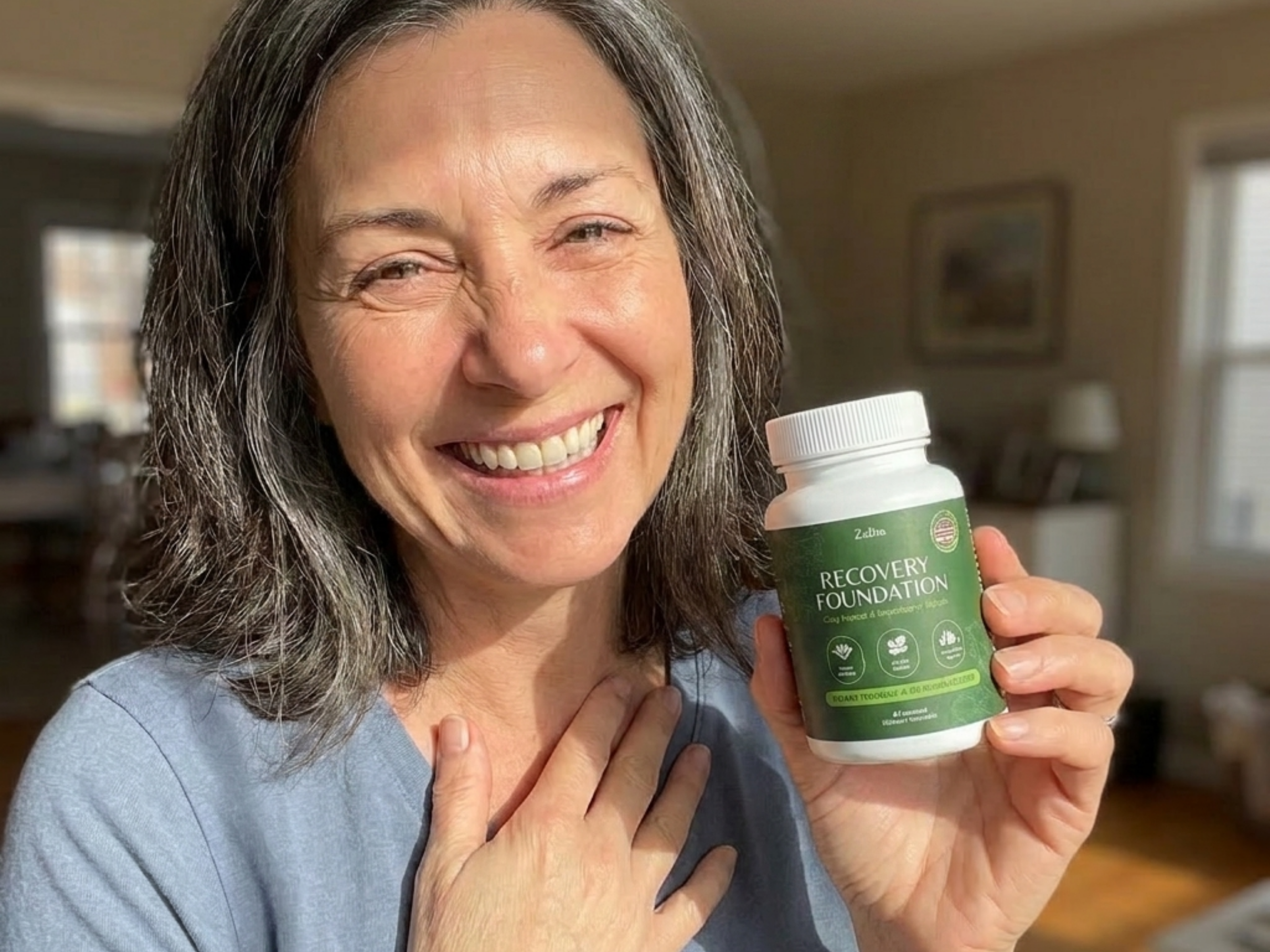
The sulfur burps reported by GLP-1 users are among the most socially distressing side effects — yet the mechanism is rarely explained.
Our investigation revealed that these symptoms share the same root cause as nausea: delayed gastric emptying.
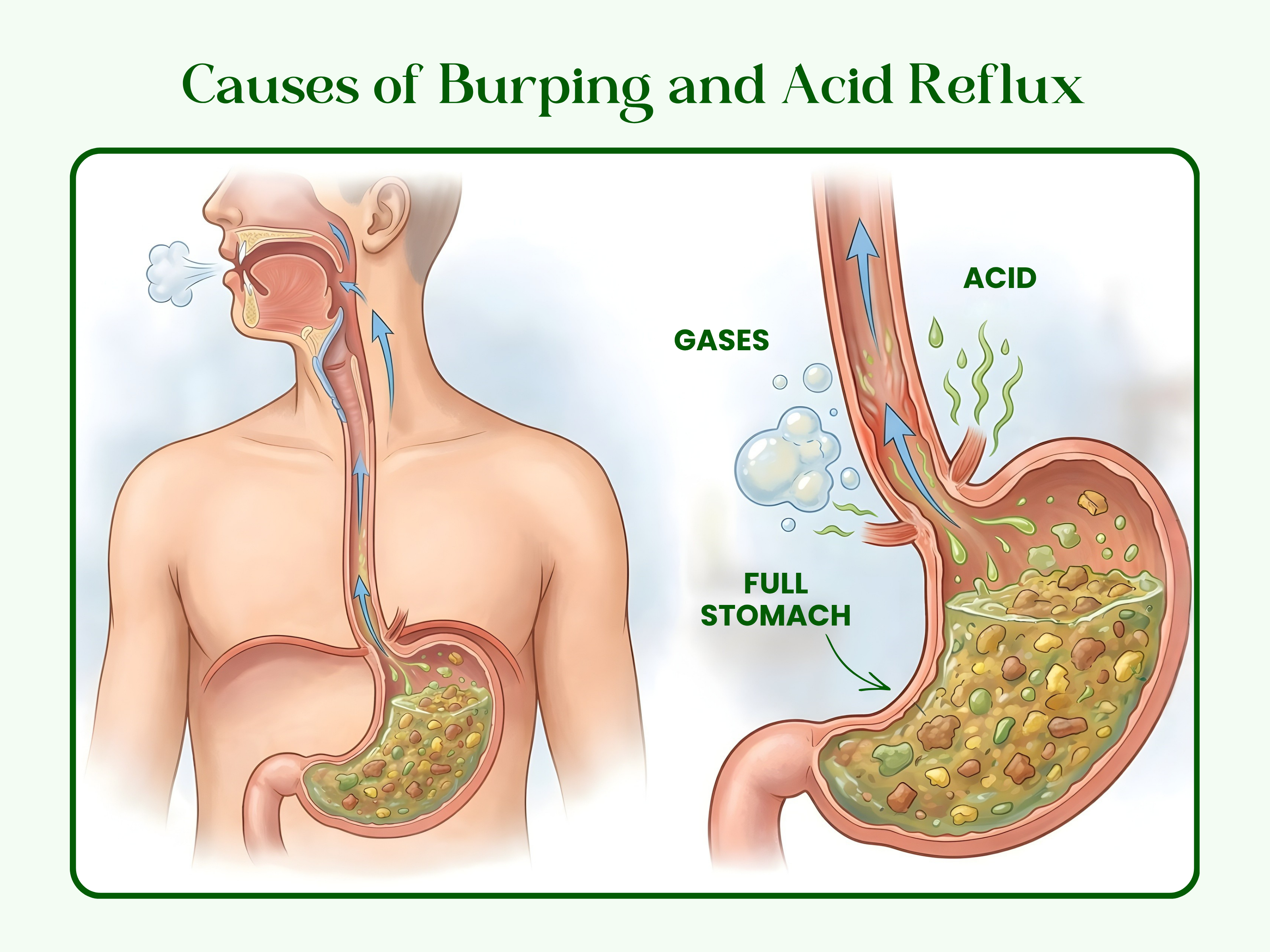
When food remains in the stomach for extended periods, bacterial fermentation occurs. This fermentation produces hydrogen sulfide gas — the compound responsible for the characteristic sulfur odor.
Simultaneously, prolonged food retention increases stomach acid accumulation.
With nowhere to go, this acid refluxes upward, causing the burning sensation and acidic taste users describe.
The solution required a two-pronged approach: accelerate gastric emptying (reducing fermentation time) and support food breakdown (reducing fermentation substrate).
Ginger extract addresses the motility component.
For digestive support, we found that Magnesium Glycinate played a dual role — supporting smooth muscle function in the digestive tract while also drawing water into the intestinal lumen, preventing the stagnation that promotes fermentation.
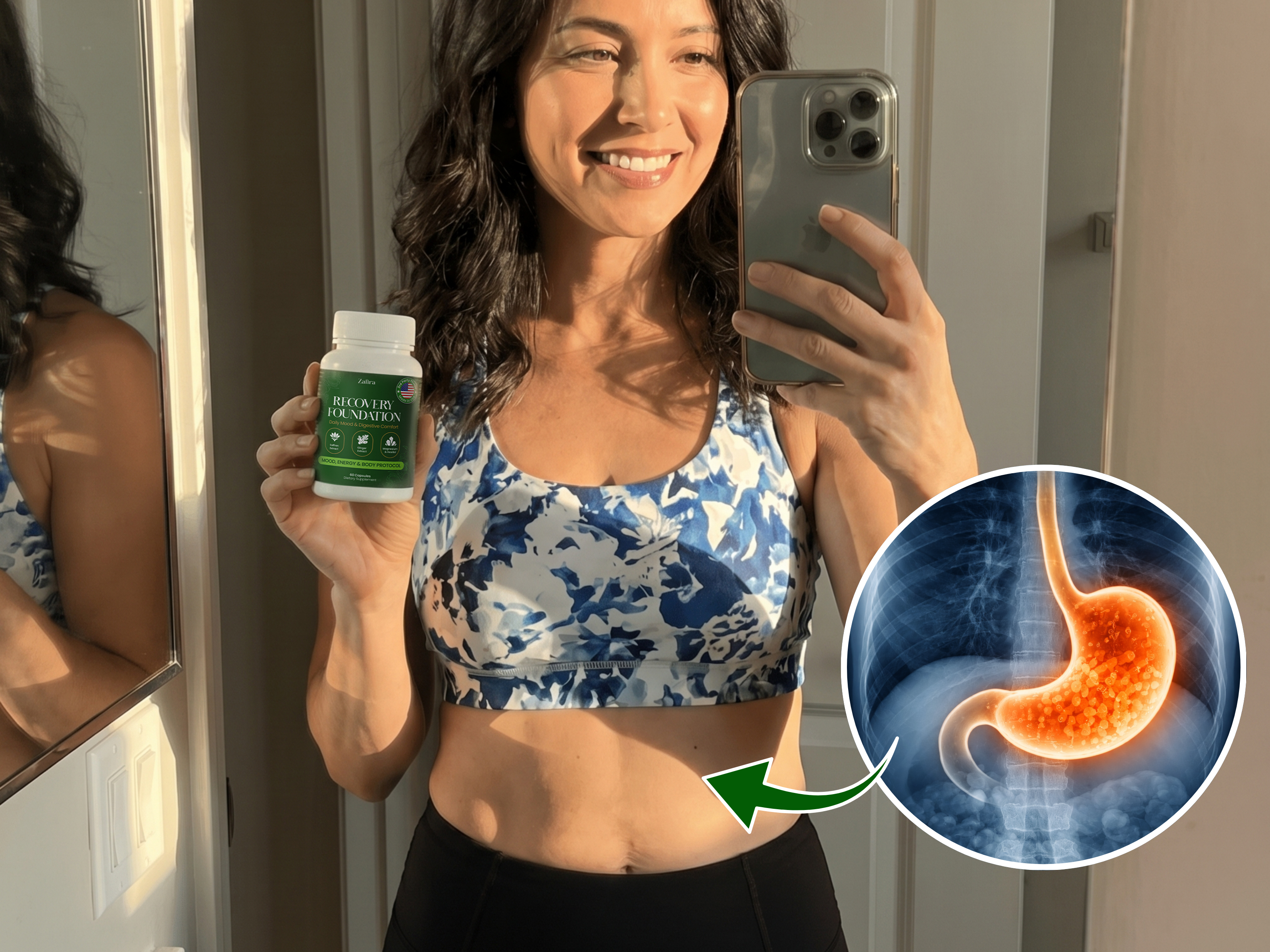
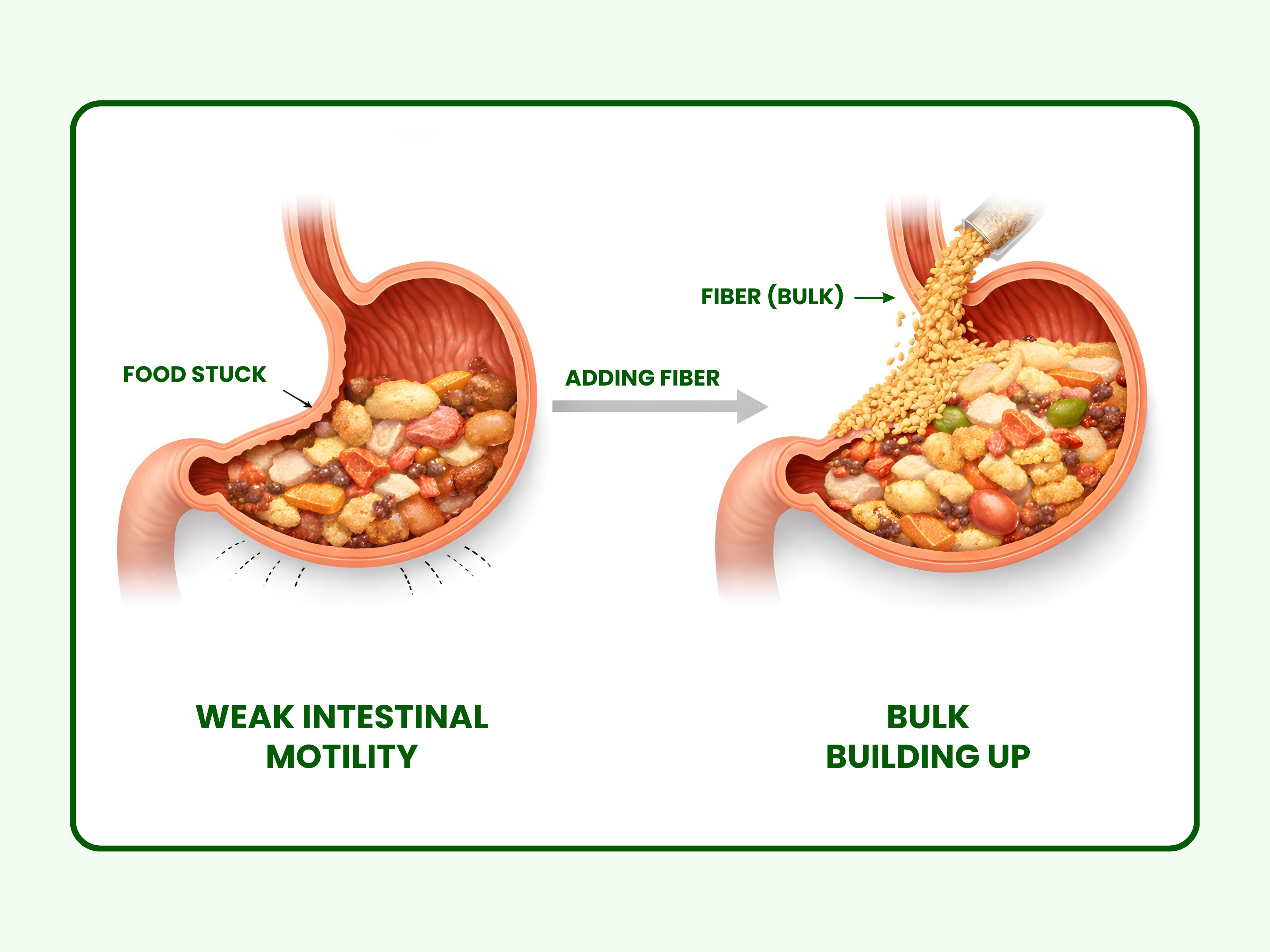
The standard advice for constipation — "drink more water and eat more fiber" — fails consistently for GLP-1 users. Our research explained why.
GLP-1 medications slow motility throughout the entire digestive tract, not just the stomach.
Peristalsis — the wave-like muscle contractions that move stool through the intestines — becomes sluggish.
Adding fiber to a system with compromised motility is counterproductive. Fiber adds bulk, but if the intestinal muscles aren't contracting efficiently, that bulk simply accumulates.
This is where our formulation approach proved its value.
Remember the Magnesium Glycinate we included for reflux and sulfur burps? It turns out this ingredient pulls double duty.
In the upper digestive system, magnesium glycinate supports smooth muscle function and reduces the stagnation that causes fermentation.
In the lower digestive system, it works through a different mechanism: osmotic action.
Magnesium draws water into the intestines, softening stool and stimulating the peristaltic contractions that move everything through.
The glycinate form was critical. Unlike magnesium oxide or citrate — which work but cause cramping and diarrhea in many users — magnesium glycinate produces gentler osmotic effects while improving absorption.
Research in Neurogastroenterology & Motility showed magnesium supplementation increased bowel movement frequency by 40% in slow-transit constipation.
This is why we formulate comprehensively rather than symptom-by-symptom. One ingredient, properly dosed, addresses multiple mechanisms across the digestive system.
Hair loss on GLP-1 medications is predictable — but the mechanism is frequently misunderstood.
The hair loss is not caused by the medication directly. It is caused by rapid weight loss and the resulting nutrient depletion.
When the body loses weight quickly (more than 1-2 pounds per week sustained), it burns through stored nutrients faster than dietary intake can replace them.
Hair follicles are among the first structures to suffer because they are metabolically expensive and not essential for survival.
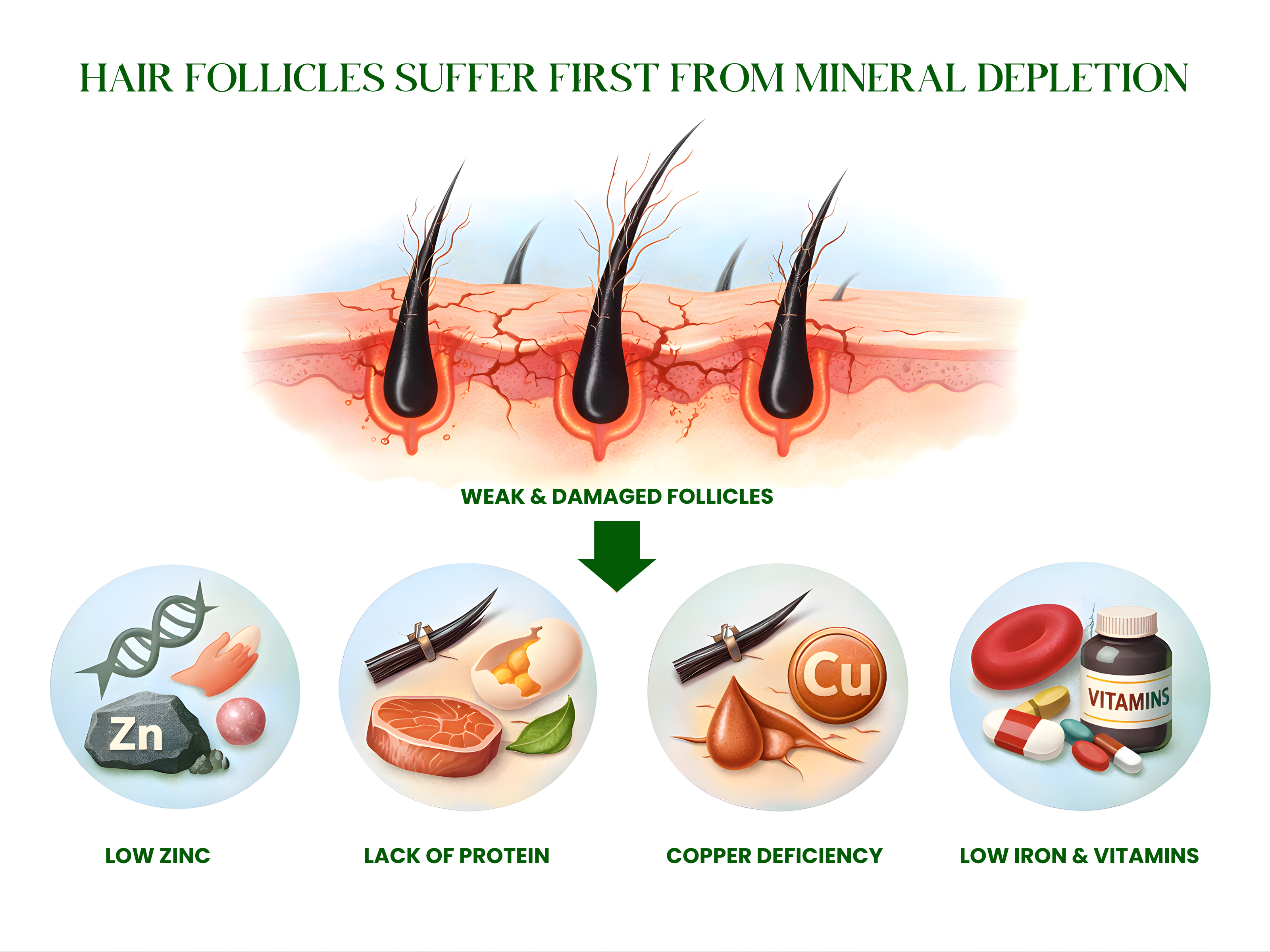
Specifically, hair follicles require zinc for keratin synthesis, copper for collagen cross-linking, iron for oxygen delivery, and biotin for structural protein production.
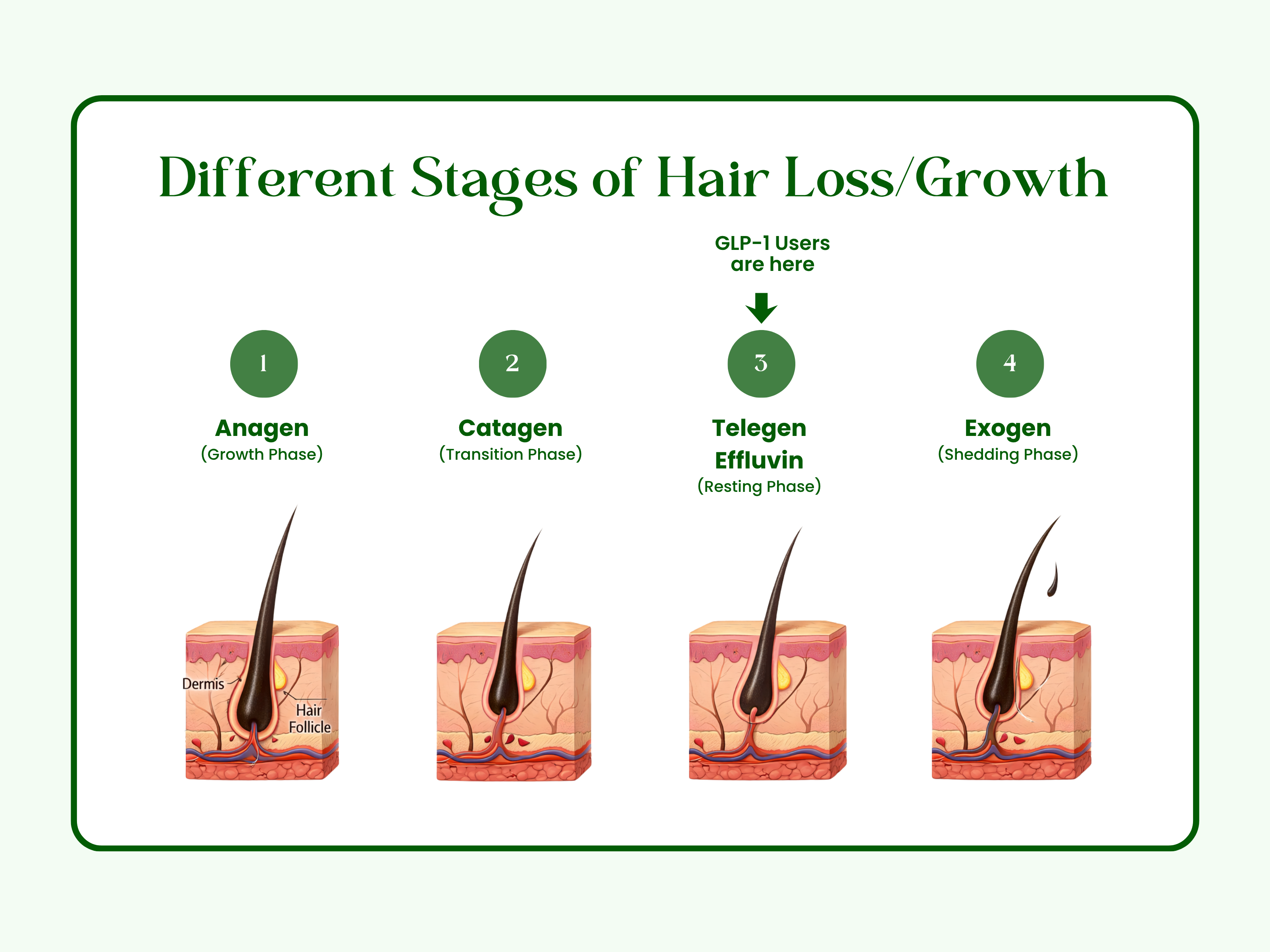
When these minerals become depleted, follicles enter a stress response called telogen effluvium — they stop growing and begin shedding.
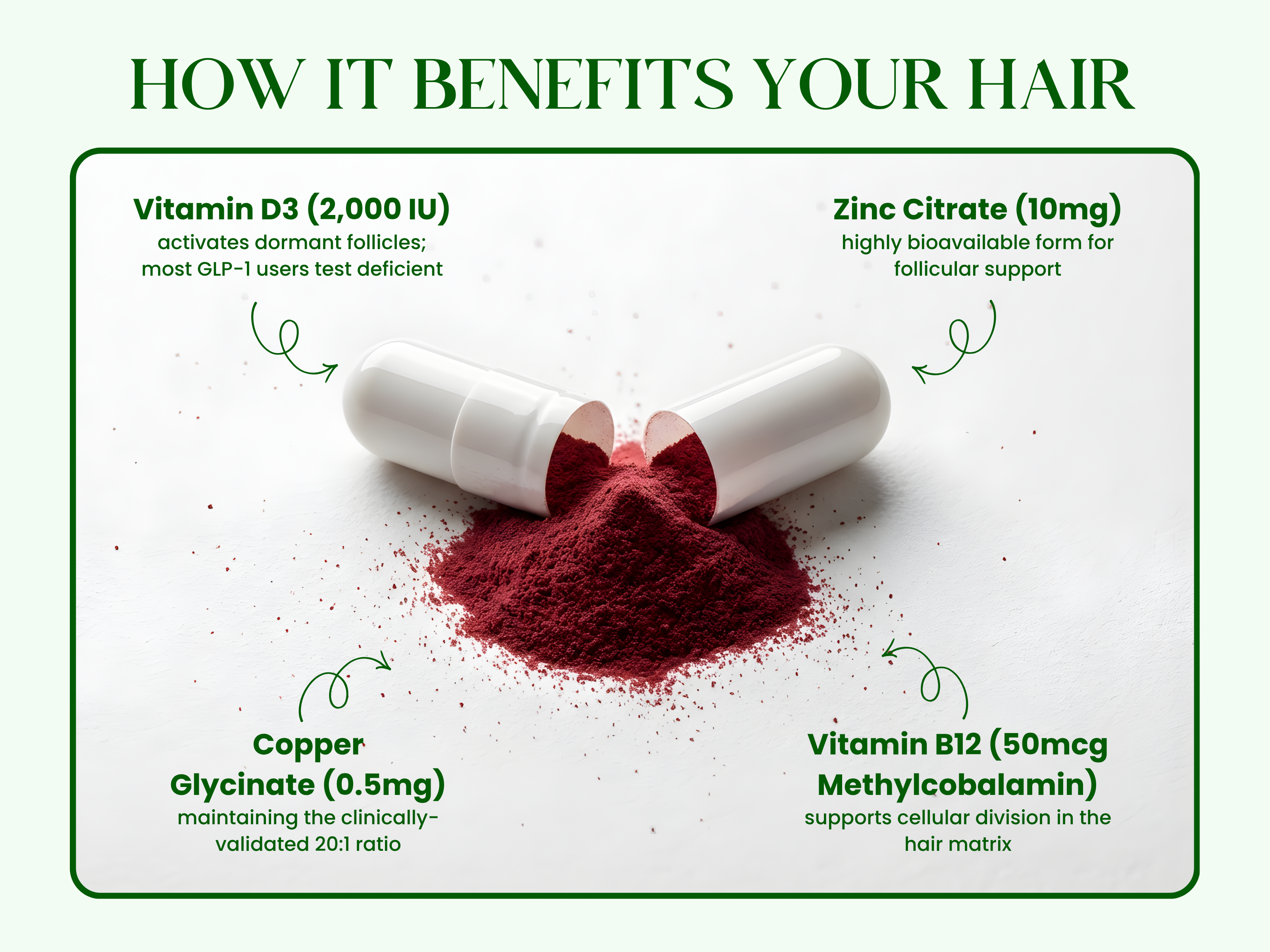
The critical discovery was the importance of the zinc-to-copper ratio.
Zinc and copper compete for absorption. Supplementing zinc without proportional copper creates copper deficiency — which paradoxically worsens hair loss.
A 2018 study in Dermatology Practical & Conceptual found that zinc and mineral supplementation stopped telogen effluvium in 87% of participants within 12 weeks — but only when ratios were properly balanced.
Our formulation includes:
This was the side effect that challenged our assumptions most significantly.
Initial hypothesis: GLP-1 users are fatigued because they're eating less and their bodies are adjusting to caloric restriction.
What we found: The fatigue persisted even in users eating adequate calories and sleeping 7-8 hours nightly.
GLP-1 receptors exist throughout the brain, not just in appetite-regulating regions.
When these receptors are activated by medication, they affect dopamine pathway function — specifically, the pathways responsible for motivation, reward anticipation, and the subjective experience of energy.
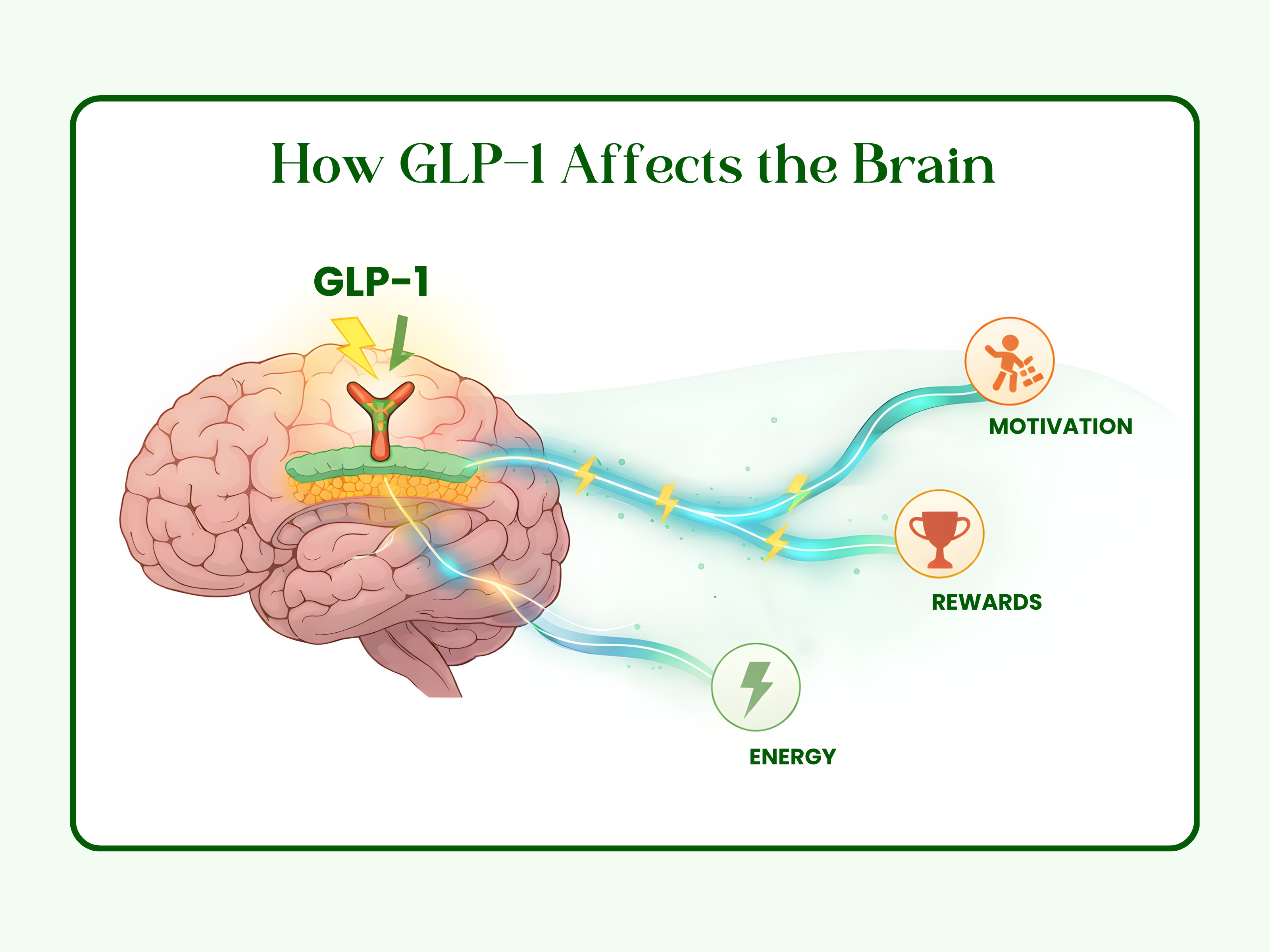
The breakthrough came when we shifted from trying to increase dopamine to trying to restore pathway function.
Saffron Extract — specifically pharmaceutical-grade extract standardized for crocin and safranal content — emerged as the key compound.
Unlike dopamine precursors that add more neurotransmitter to a blocked system, saffron's bioactive compounds restore receptor sensitivity and pathway conductance.
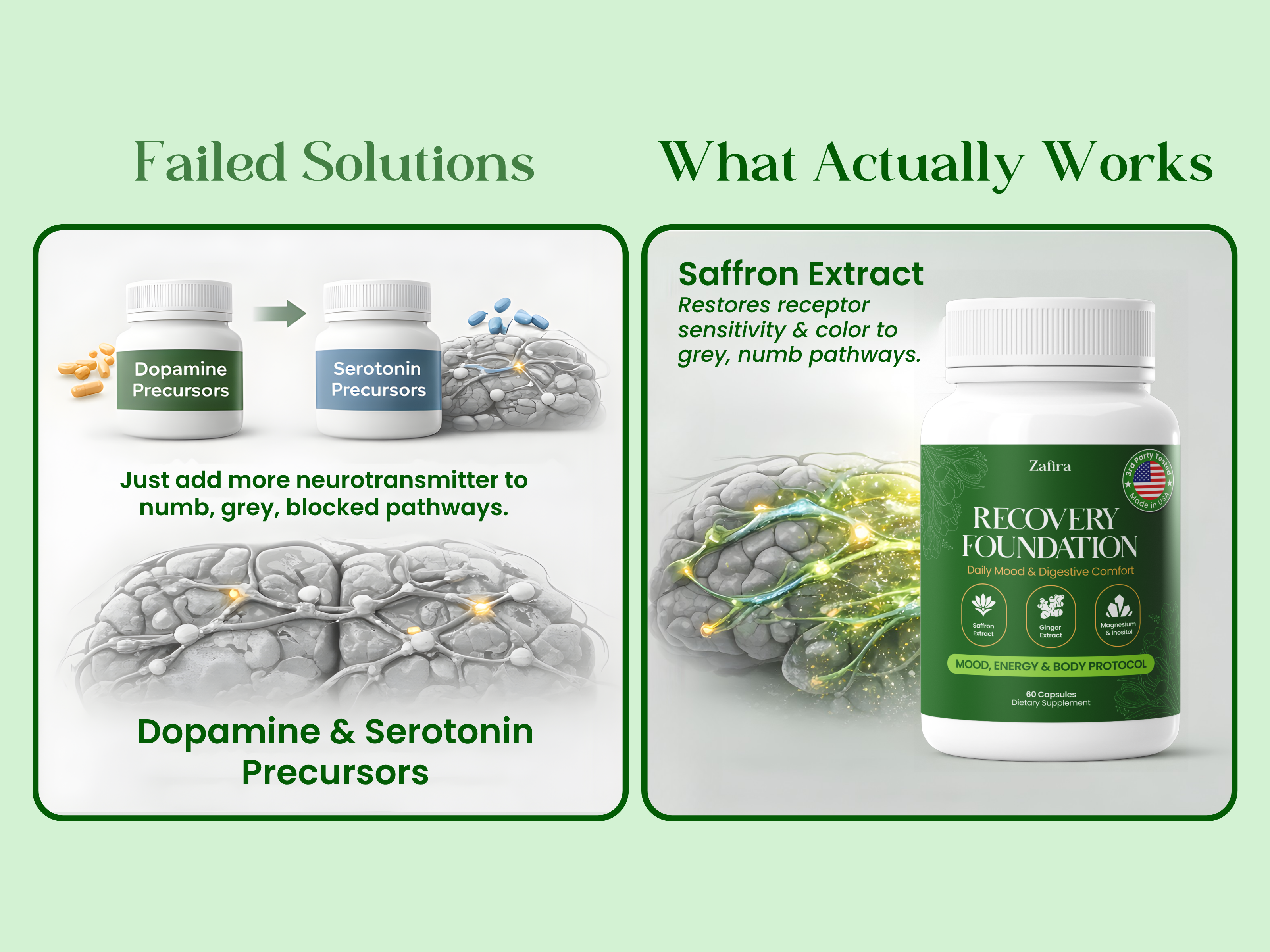
Supporting compounds:
This was the most complex mechanism to unravel — and the most important.
Users describe it consistently: "I feel nothing." "Everything is grey." "I got what I wanted and I don't even care."
The clinical term is anhedonia — the inability to experience pleasure.
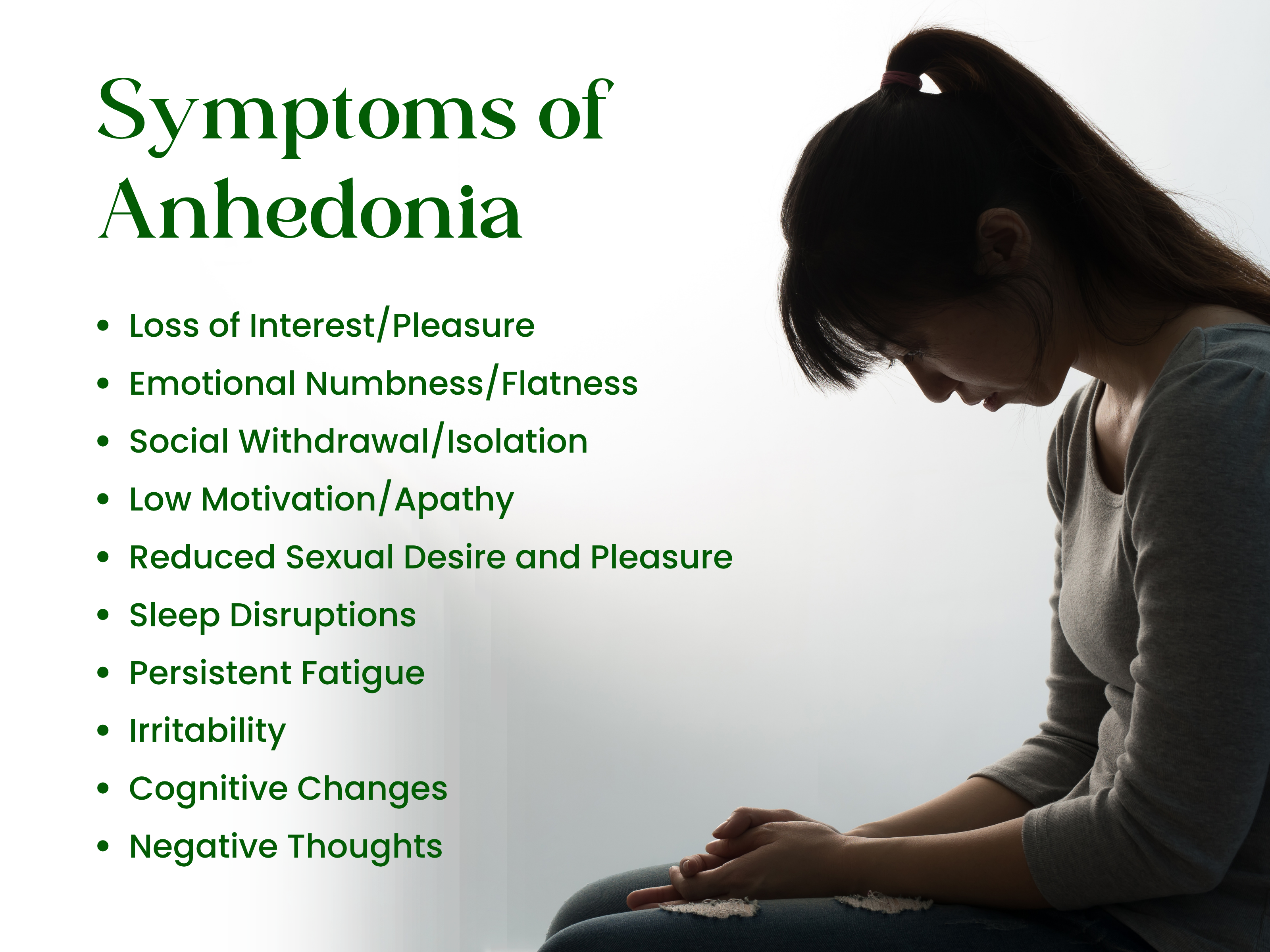
Initial clinical assumption: These users are developing depression and should be treated with standard antidepressants (SSRIs).
What we found: SSRIs showed poor efficacy in this population. The mechanism was different.
If you read the Fatigue section above, this will sound familiar — because the root cause is the same.
GLP-1-induced anhedonia is not a serotonin deficiency problem. It is a dopamine and serotonin pathway disruption problem — the exact same mechanism driving the motivational fatigue we described in Side Effect #5.
The difference is severity and presentation:
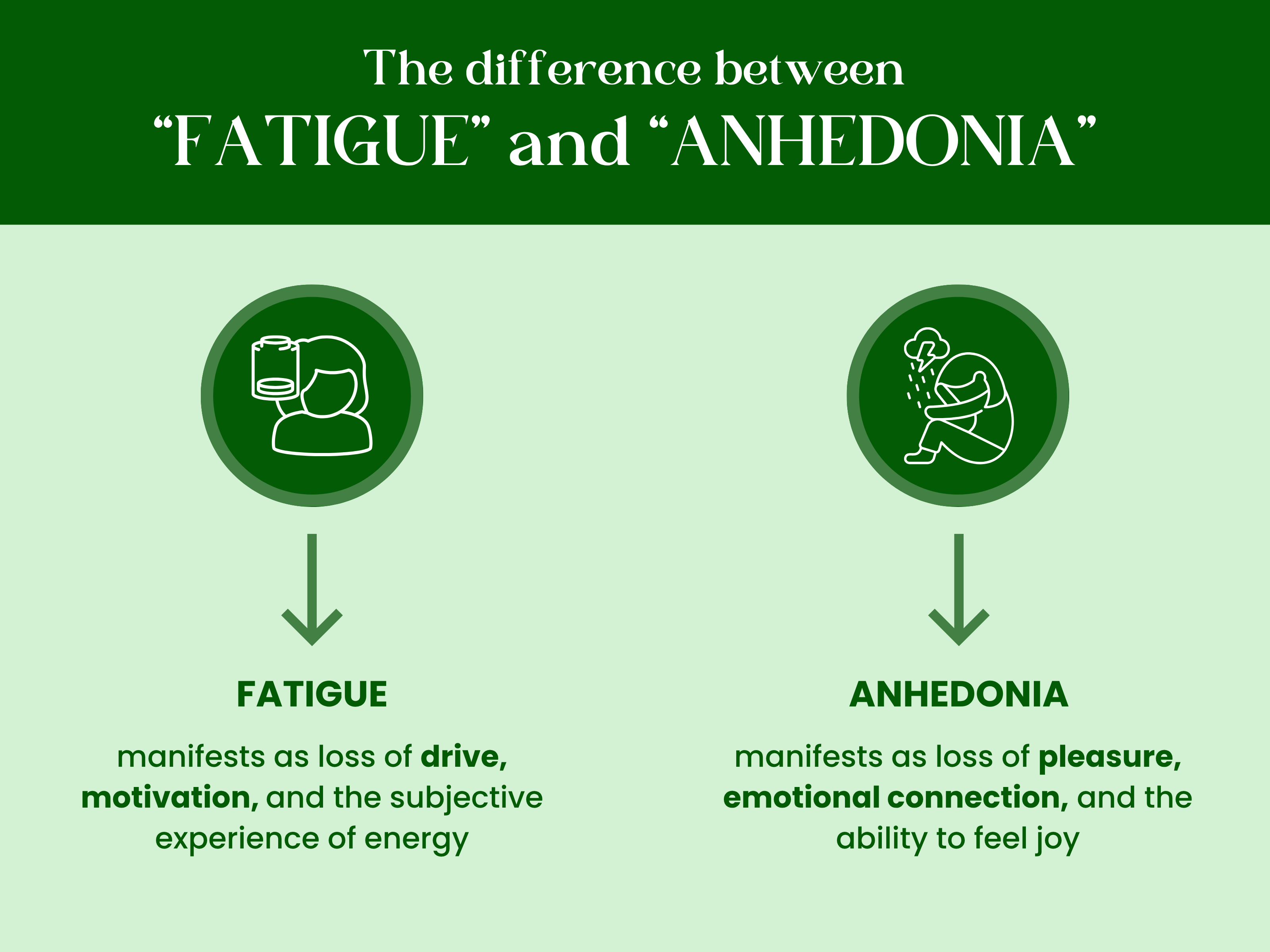
Same disrupted pathways. Same desensitized receptors. Different symptoms depending on which brain regions are most affected in each individual.
Working with neuropsychiatrists, we analyzed the specific brain regions affected.
GLP-1 receptor activation in the ventral tegmental area and nucleus accumbens interferes with normal dopamine and serotonin signaling — not by reducing neurotransmitter levels, but by affecting how receptors respond to those neurotransmitters.

If you read Side Effect #5, you already know that Saffron Extract is the key compound for restoring pathway function.
But here's the critical difference between fatigue and anhedonia:
For fatigue, the motivational pathways need a boost. A high-quality, concentrated saffron extract can provide that. The bioactive compounds help restore receptor sensitivity, and most users feel the difference within 2-3 weeks.
For anhedonia, the disruption runs deeper.
It's not just that the receptors are sluggish — they've become significantly desensitized. And when you try to wake them back up, the nervous system often resists the change. It's been operating in "numb mode" for so long that it treats restoration as a threat.
This is why saffron alone — even high-quality saffron — often falls short for severe anhedonia.
You need two additional components to seal the deal:
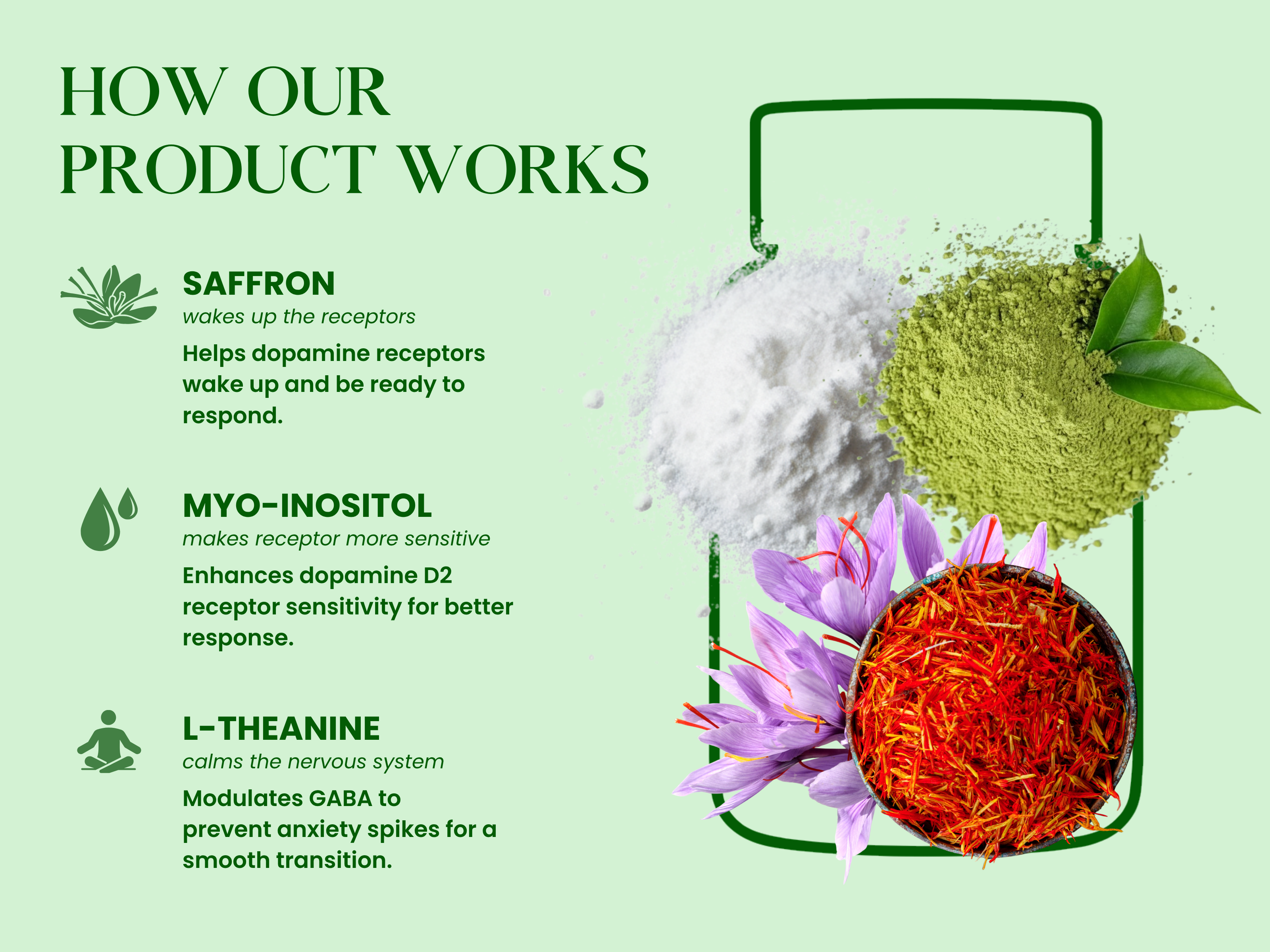
1. Myo-Inositol (600mg) — This is the receptor sensitivity amplifier.
While saffron works on the receptors themselves, myo-inositol enhances dopamine D2 receptor sensitivity specifically. Think of it as preparing the receptors to actually respond when saffron starts working on them.
Without myo-inositol, it's like trying to wake someone up by whispering. With it, the message actually gets through.
2. L-Theanine (200mg) — This is the nervous system calmer.
Here's what most people don't realize: when you start restoring pathway function after months of numbness, your nervous system can panic. It's been in a suppressed state, and sudden changes feel destabilizing.
L-Theanine modulates GABA to keep the nervous system calm during restoration. It prevents the anxiety spikes and resistance that cause many people to quit before the saffron has time to work.
Without L-Theanine, users often report feeling "weird" or "on edge" in weeks 1-2 and stop taking the supplement. With it, the transition feels smooth — and they stay consistent long enough to experience full restoration.
For anhedonia specifically, you need saffron extract standardized for all three bioactive compounds:
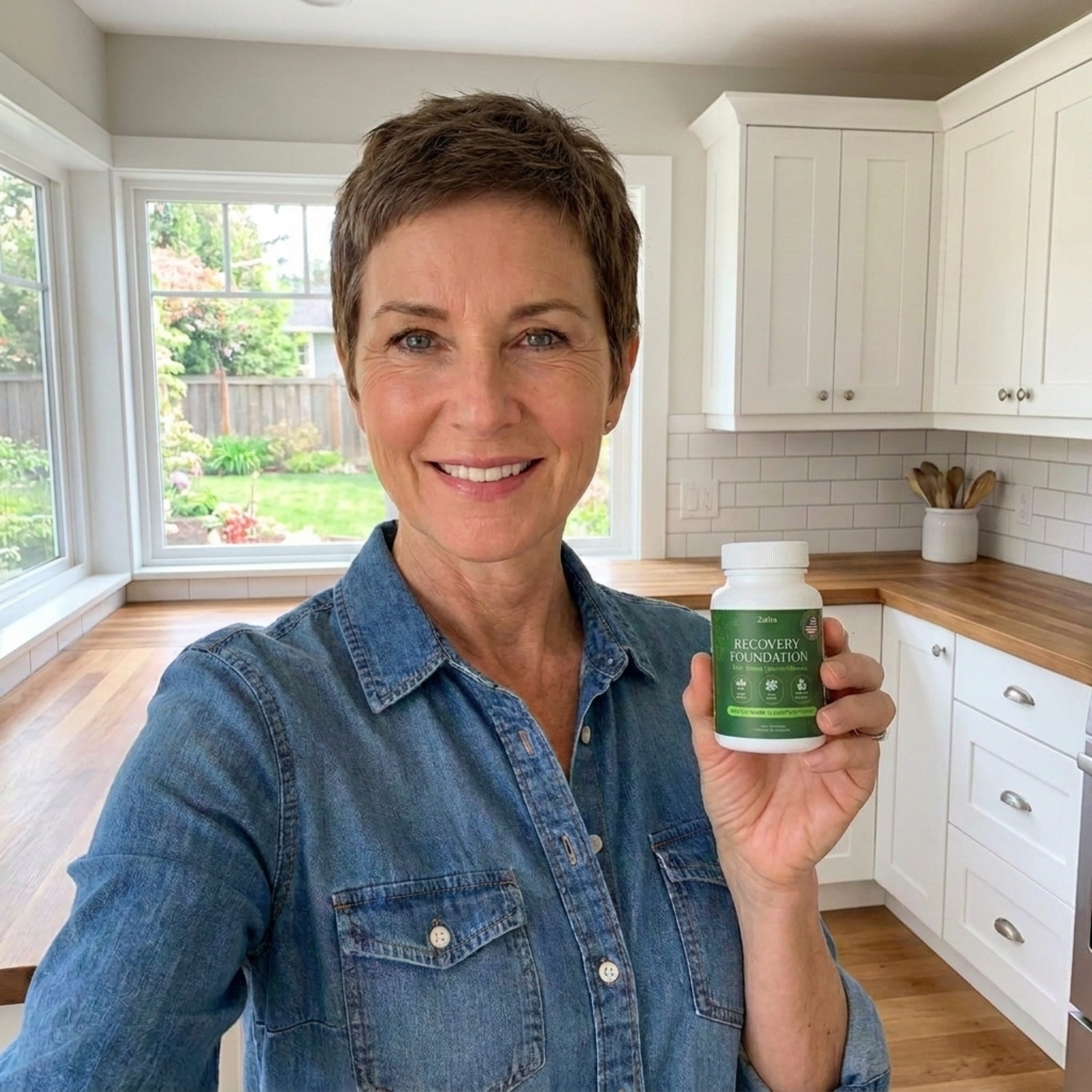
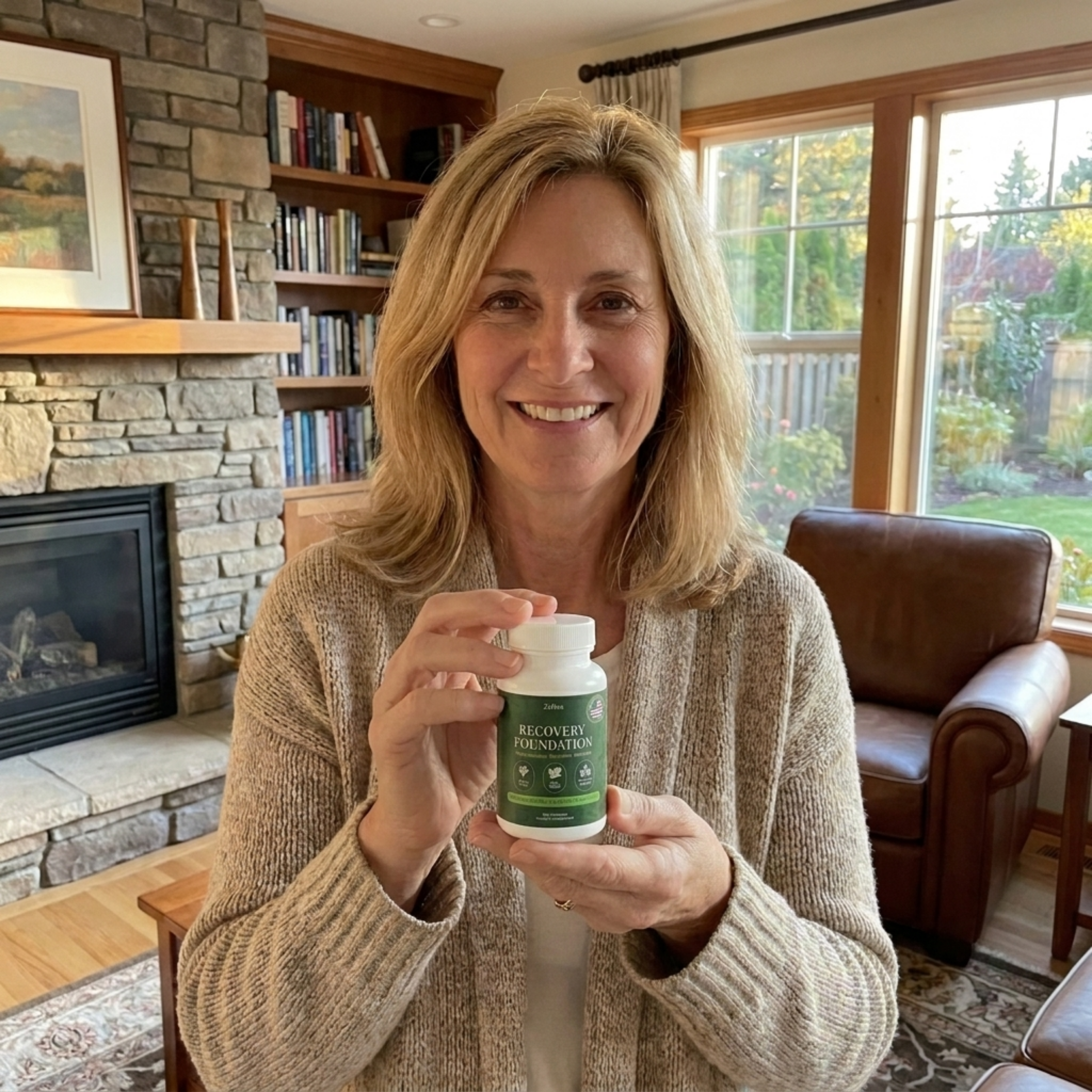
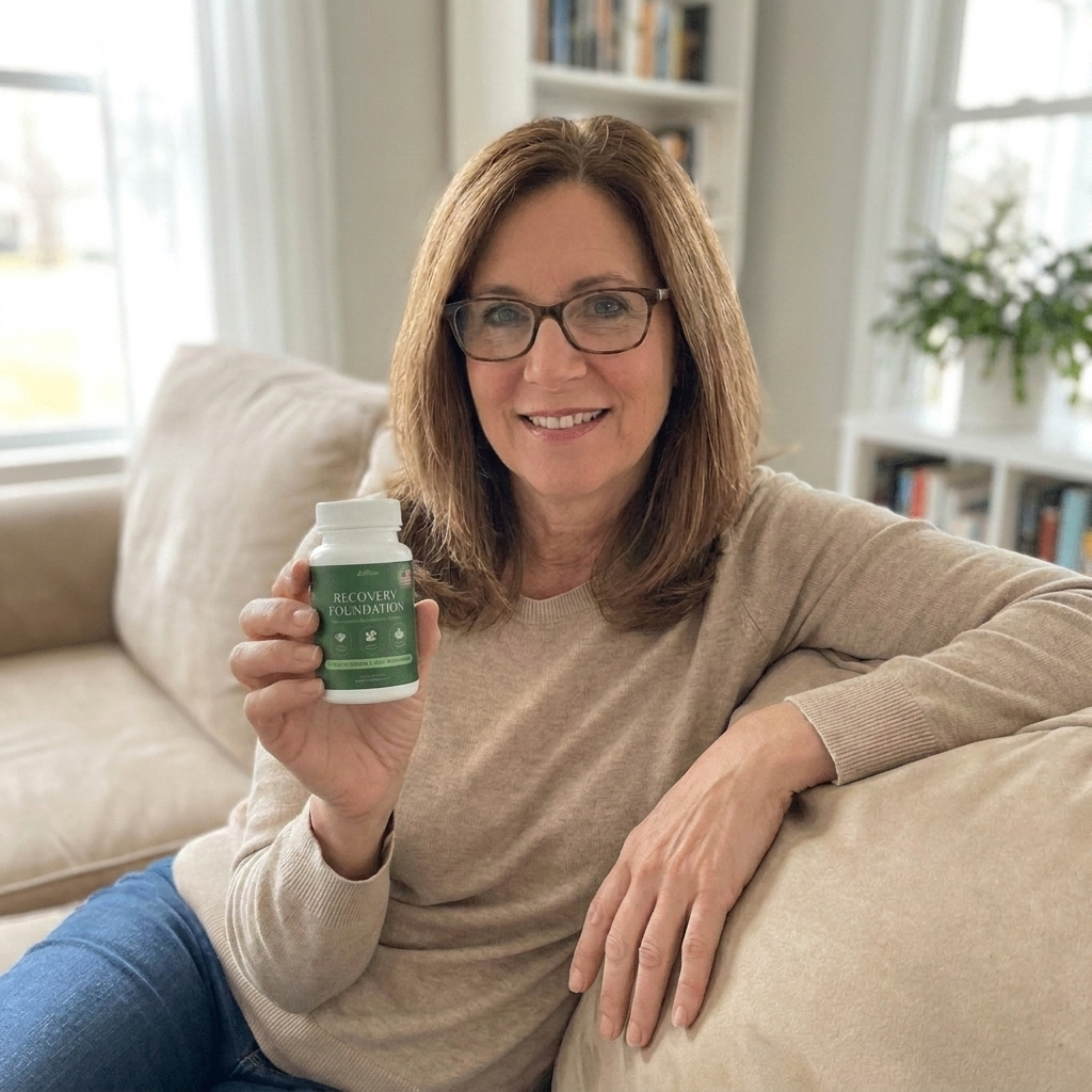
After 22 months of research, testing, reformulation, and clinical validation, we arrived at the protocol now known as Zafira Recovery Foundation.
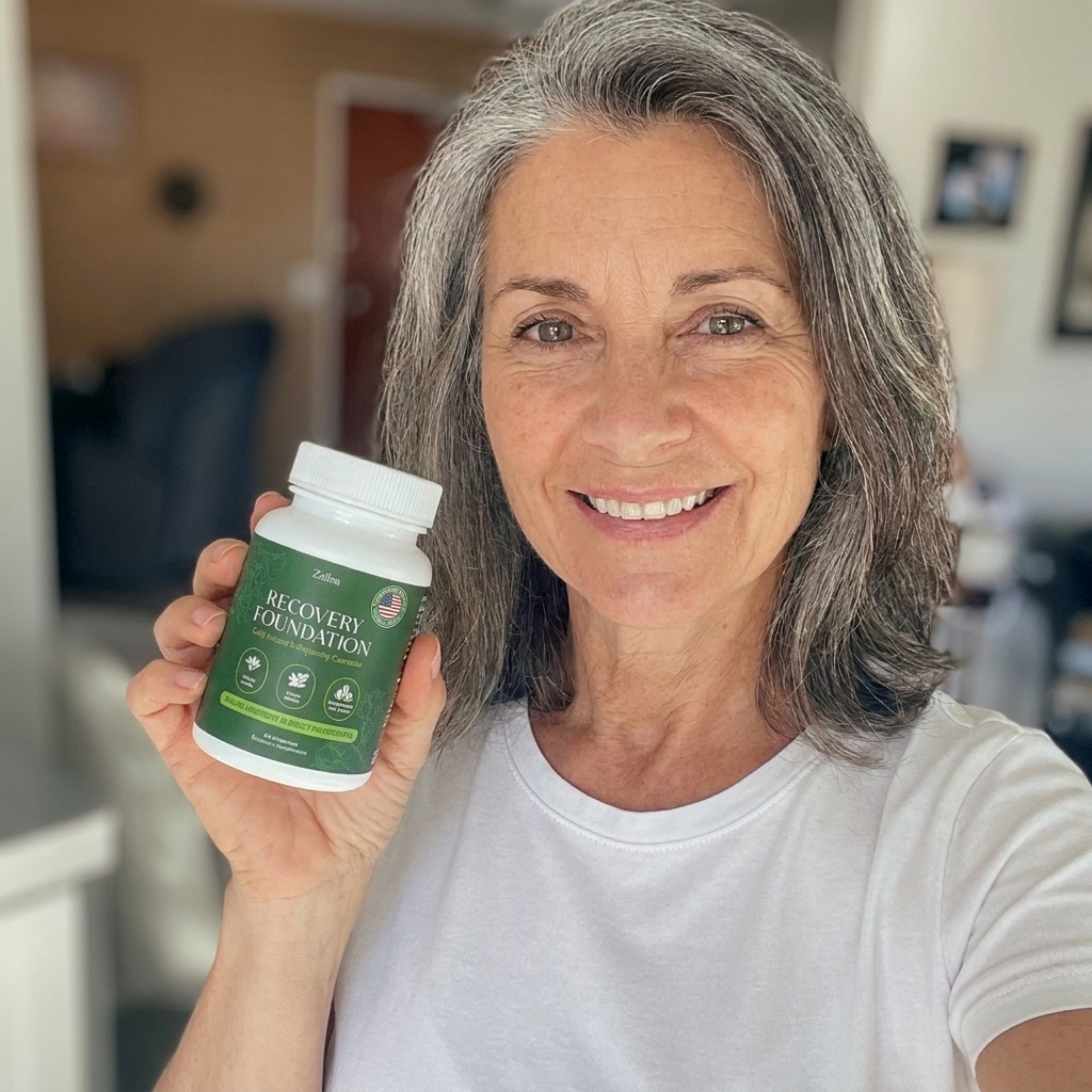
Every ingredient addresses a specific mechanism. Every dose is therapeutic, not token. The formulation was designed from the ground up for one population: people on GLP-1 medications experiencing side effects.
Complete Ingredient Profile:
| Ingredient | Dose | Primary Function |
|---|---|---|
| Saffron Extract (4:1) | 30mg | Dopamine/serotonin pathway restoration |
| L-Theanine | 200mg | Nervous system regulation, anxiety reduction |
| Myo-Inositol | 600mg | Dopamine receptor sensitivity |
| Ginger Extract (5% gingerols) | 100mg | Gastric motility, nausea reduction |
| Magnesium Glycinate | 50mg | Intestinal motility, energy synthesis |
| Zinc Citrate | 10mg | Hair follicle support, neurotransmitter cofactor |
| Copper Glycinate | 0.5mg | Collagen synthesis, zinc balance |
| Vitamin B12 (Methylcobalamin) | 50mcg | Cellular energy, nerve function |
| Vitamin C | 50mg | Antioxidant support, nutrient absorption |
| Vitamin D3 | 2,000 IU | Mood support, follicle activation |
Most supplement companies offer a 30-day money-back guarantee. They claim absolute confidence in their product.
We take a different approach.
After 22 months of research, we know that Zafira Recovery Foundation works for the majority of GLP-1 users experiencing these six side effects. Our trial data supports this. The mechanisms are sound. The evidence is clear.
But we also learned something else: every person is different.
Some users experience side effects due to mechanisms specific to their individual biology — genetics, pre-existing conditions, medication interactions — that may not respond to our protocol.
We don't claim to have a universal solution.
We claim to have the best-researched, most comprehensive protocol available for GLP-1 side effects — and the integrity to acknowledge that no intervention works for everyone.
That's why we offer a 60-day money-back guarantee.
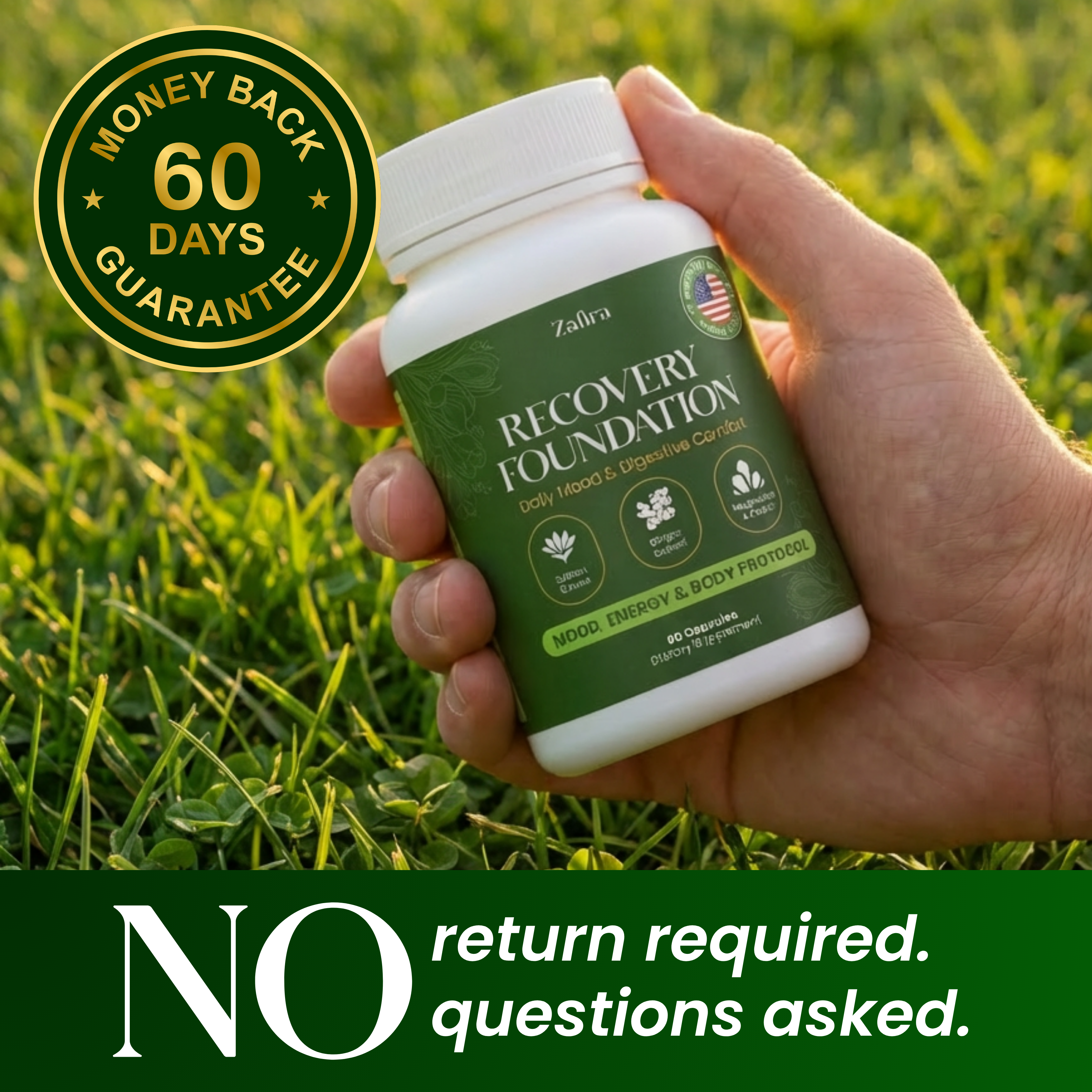
Sixty days gives you enough time to experience the full effect.
Pathway restoration takes time — most users notice initial shifts by week 2-3, with full restoration around week 6-8. By day 60, you'll know definitively whether Recovery Foundation works for you.
If it doesn't — for any reason — we refund your purchase. No return required. No questions asked.
Try it. See if it works. If not, you pay nothing.
60-Day Money-Back Guarantee · Free Shipping · Made in USA
✓ Each bottle contains 60 capsules
✓ Take 2 capsules daily with food for optimal absorption
✓ One bottle = 30-day supply when used as directed
✓ Made in USA, 3rd party tested
Absolutely not. In fact, it often helps you lose weight faster.
Here is why:
Zafira is designed to be a "Smart Shield." It restores the dopamine signals for mood and motivation, but it does NOT interfere with the GLP-1 mechanisms that silence your hunger. The ingredients are specifically chosen to support your metabolism:
Ginger Root: Proven to support healthy digestion and maintain a high metabolic rate (so you keep burning fat efficiently).
Magnesium: Helps relax tight muscles and supports recovery, so you can maintain lean muscle mass (which burns more calories than fat).
Saffron: Clinically shown to reduce emotional snacking — giving you an extra layer of protection against the food noise.
Most importantly: It is very hard to lose weight when you are exhausted and stuck in bed.
By getting your energy back, you move more, burn more, and lose more.
✓ 100% vegan, non-GMO, gluten-free
✓ Made in USA, 3rd party tested
✓ Days 1-7: Digestive improvement — reduced nausea, less bloating, improved regularity
✓ Week 2: Mood stabilization, energy returning, reduced brain fog
✓ Week 4: Hair shedding slows noticeably
✓ Week 6-8: Full restoration — feeling like yourself again
Yes. All ingredients are food-based nutrients — not pharmaceutical compounds. Saffron, ginger, and magnesium have been used safely in traditional medicine for thousands of years with no documented interactions with semaglutide, tirzepatide, or other GLP-1 agonists.
As with any supplement, consult your healthcare provider if you have specific concerns.
60-day money back guarantee. Full refund, no questions asked.
We provide 60 days because pathway restoration takes time. Most users notice initial shifts by week 2-3, but complete neurological and nutritional rebalancing occurs around week 6-8. By day 60, you will know definitively whether Recovery Foundation works for you.
✓ Nausea & Reflux: Ginger Extract (gastric motility)
✓ Constipation: Magnesium Glycinate (intestinal motility)
✓ Hair Loss: Zinc, Copper, B12, Vitamin D3 (mineral replenishment)
✓ Fatigue: B12, Magnesium, Vitamin C (cellular energy)
✓ Anxiety / Wired-but-Tired: L-Theanine (GABA modulation)
✓ Depression & Flat Feeling: Saffron, Myo-Inositol, L-Theanine (pathway restoration)
Active Ingredients (Per 2 Capsules):
Vitamin B12 - 50 mcg (as Methylcobalamin) - 2083% DV
Vitamin C - 50 mg (as Ascorbic Acid) - 56% DV
Vitamin D3 - 50 mcg / 2,000 IU (as Cholecalciferol) - 250% DV
Magnesium - 50 mg (Elemental) from Magnesium Glycinate - 12% DV
Zinc - 10 mg (Elemental) from Zinc Citrate - 91% DV
Copper - 0.5 mg (Elemental) from Copper Glycinate - 56% DV
Myo-Inositol - 600 mg †
L-Theanine - 200 mg †
Ginger Extract - 100 mg (Standardized to 5% Gingerols) †
Saffron Extract - 30 mg (4:1 Extract, standardized for crocin and safranal) †
† Daily Value not established
Other Ingredients: Hypromellose (vegetable capsule), microcrystalline cellulose, silicon dioxide, magnesium stearate
Allergen Information: Free from gluten, dairy, soy, and artificial colors or preservatives
Serving Size: 2 capsules daily
Servings Per Container: 30 (60 capsules)
Percent Daily Values are based on a 2,000 calorie diet.
These statements have not been evaluated by the Food and Drug Administration. This product is not intended to diagnose, treat, cure, or prevent any disease.
Shipping
All orders are fulfilled and shipped within 1-2 working days.
Worldwide shipping with tracking:
USA: 1-3 business days
Canada: 2-5 business days
Europe & UK: 4-12 business days
Australia, NZ & Oceania: 4-12 business days
Latin America: 4-12 business days
All orders include tracking information once shipped.
Returns
Not satisfied? Return within 60 days of delivery for a full refund or exchange, no questions asked. Contact support@zafiraorganics.com


60-Day Money-Back Guarantee · Free Shipping · Made in USA